UN Staff Lead Blood Donation Campaign As Nigeria Faces Critical Supply Gap
In a country where thousands of patients struggle to access safe blood during medical emergencies, staff of the United Nations in Abuja are leading by example through voluntary blood donation to help save lives.
To mark World Blood Donor Day, UN staff partnered with the World Health Organization (WHO) and the National Blood Service Commission to donate blood during an annual drive aimed at strengthening Nigeria’s blood supply and promoting a culture of regular voluntary donation.
The exercise, held at the UN offices in Abuja, saw 23 units of blood collected, enough to potentially save dozens of lives. The donations are expected to support patients requiring emergency transfusions, including women facing childbirth complications, children suffering severe anaemia and victims of road traffic accidents.
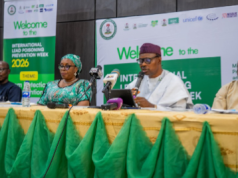
Speaking during the event, WHO Representative in Nigeria, Dr Pavel Ursu, emphasised the importance of voluntary blood donation in strengthening healthcare delivery.
“Safe blood is a critical part of healthcare. By donating today, we are helping to ensure that patients facing emergencies can access lifesaving transfusions,” he said, urging eligible Nigerians to donate regularly.
The initiative comes amid growing concerns over Nigeria’s blood shortage.
Despite a national requirement of between 1.8 and 2 million units annually, only 371,827 units were collected nationwide in 2024, leaving a significant gap in supply.
Officials say expanding voluntary, unpaid blood donation remains one of the safest and most sustainable ways to address the shortfall.
The National Blood Service Commission described the UN initiative as a powerful demonstration of public service and humanitarian commitment.
According to the Commission, such efforts not only increase the availability of safe blood but also encourage a culture of regular donation capable of saving countless lives across the country.
Now in its fifth year, the UN blood donation campaign has recorded nearly 200 donations, reinforcing the message that simple acts of generosity can make a life-saving difference.
Health experts say greater public awareness, improved access to donation centres and sustained advocacy will be critical to ensuring a stable blood supply for Nigeria’s growing healthcare needs.
As Nigeria continues to grapple with shortages, the message from the UN’s annual drive is clear: saving lives can begin with a single decision to roll up a sleeve and donate blood.
Follow the Savinews Africa channel on WhatsApp:https://whatsapp.com/channel/0029VawgaEL5vKA9Y5XTFg0n