70,000 Nigerians Returned: Nigeria, IOM Step Up Migration Fight Against Irregular Migration
Irregular migration has remained a pressing challenge for Nigeria, driven largely by unemployment, poverty, insecurity, and the search for better opportunities abroad.
Thousands of Nigerians attempt perilous journeys through the Sahara Desert and across the Mediterranean Sea, often falling prey to human traffickers and smugglers.
According to the International Organisation for Migration, (IOM), Nigeria is one of the largest sources of irregular migrants in sub-Saharan Africa, with many stranded in transit countries such as Niger and Libya, or facing detention and abuse in destination countries.
Beyond the human cost, irregular migration also undermines Nigeria’s development, as the country loses youthful talent to unsafe migration routes instead of harnessing their potential at home.
This challenge has prompted the Nigerian government, in partnership with IOM and other stakeholders, to intensify efforts on safe migration pathways, diaspora engagement, and reintegration programmes for returnees.
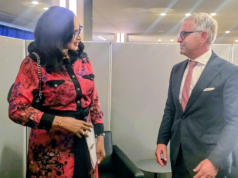
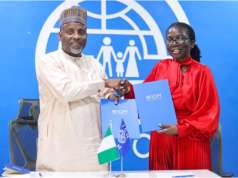
During her visit to the Minister of State for Foreign Affairs, Ambassador Bianca Odumegwu-Ojukwu, in Abuja, IOM’s Deputy Director-General (Operations), Ms Ugochi Florence Daniels, reaffirmed IOM’s commitment, noting that more than 70,000 irregular migrants had been returned to Nigeria, with 27,000 successfully reintegrated through its Assisted Voluntary Return and Reintegration Programme.
She also called on Nigeria to regain its voting rights in the IOM Council by fulfilling its asset contributions.
In her response, Minister Odumegwu-Ojukwu attributed the surge in illegal migration to Nigeria’s youthful demography, with over 70 per cent of the population under 40 and in need of jobs.
She stressed that diaspora engagement remains a key plank of President Bola Ahmed Tinubu’s “4-Ds” foreign policy -Democracy, Demography, Diaspora and Development, describing Nigerians abroad as a vital national asset contributing significantly to the economy.
The minister urged IOM to amplify positive migration stories while supporting Nigeria’s efforts to dispel myths of “greener pastures” driving irregular migration.
She praised IOM’s assistance during recent floods in Niger State, where over 1,000 vulnerable families received emergency aid.
Both sides agreed to align migration management with national priorities while exploring new financial partnerships to sustain ongoing programmes.