NCDMB Targets 70% Local Content By 2027, Pushes For Greater Asset Access
Princess-Ekwi Ajide
The Nigerian Content Development and Monitoring Board says Nigerian oil and gas companies need better access to assets, finance, technology and markets to compete globally, as it targets 70 per cent local content participation by 2027.
The Board said expanding access to critical industry assets and strengthening indigenous companies’ capacity would be essential to sustaining growth and deepening Nigerian participation in the oil and gas sector.
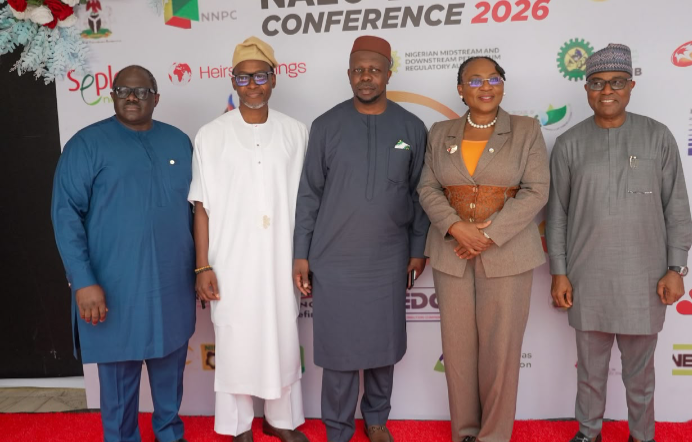
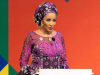
Speaking at the 2026 Energy Conference of the Association of Energy Correspondents of Nigeria (NAEC) in Lagos, the Board’s General Manager of Corporate Communications, Dr Obinna Ezeobi, said indigenous firms must build the capacity and competitiveness required to operate in international markets.
Ezeobi, who represented the NCDMB at the conference held on 8 October at Eko Hotel and Suites, said the push for greater access aligned with the objectives of the Nigerian Oil and Gas Industry Content Development Act.
The Nigerian Content 10-Year Strategic Roadmap, launched in 2017, seeks to raise local content participation to 70 per cent by 2027 through five core pillars and four enabling factors.
According to Ezeobi, the next phase of local content development must equip Nigerian companies with the skills, technology and business systems needed to compete beyond the domestic market.
Over $400m disbursed to indigenous firms
The NCDMB highlighted the Nigerian Content Intervention Fund as one of its key initiatives for helping indigenous companies secure financing and expand their operations.
Ezeobi disclosed that more than 130 Nigerian companies had accessed over $400 million through the fund, domiciled with the Bank of Industry and NEXIM Bank.
Other interventions include Project 100, which supports high-potential indigenous companies through capacity development, access to markets, financial linkages and tailored business support.
The Board also cited the Nigerian Content Equipment Certification scheme, the Nigerian Oil and Gas Parks Scheme and vendor development initiatives as measures to strengthen local businesses across the oil and gas value chain.
It said partnerships between Nigerian and foreign companies, alongside regional collaboration, were also being encouraged to help indigenous firms expand into international markets.
Ezeobi said Nigerian content in the oil and gas industry had risen from five per cent in 2010 to 61 per cent, representing significant progress since the implementation of the Nigerian Content Act.
However, industry stakeholders warned that access to assets and opportunities remained a major challenge for indigenous operators.
NAEC Chairman Ugo Amadi called for more opportunities for Nigerian companies to acquire and develop oil and gas assets, identifying high entry costs, funding constraints and lengthy approval processes as key barriers.
The Chairman of the Petroleum Technology Association of Nigeria (PETAN), Engr Wole Ogunsanya, advocated stronger collaboration among indigenous oilfield service companies to enable them to combine technical expertise and execute larger projects.
Similarly, the Conference Chairman and Group Managing Director of Sahara Power Enterprise Group, Kola Adesina, represented by the company’s Head of Corporate Communications, Bethel Obioma, said access must go beyond ownership of physical assets to include capital, partnerships, technology and markets.
He argued that access to ideas, mentors, financing and partnerships could be as important as ownership in driving business growth.
The Minister of State for Petroleum Resources (Gas), Ekperikpe Ekpo, represented by his Senior Technical Adviser, Engr Abel Nsa, said Nigeria must move beyond ownership of its vast gas reserves to developing and converting them into sustainable economic value.
He said the Federal Government’s Decade of Gas initiative was designed to support industrialisation, power generation, transportation, manufacturing, fertiliser production and wider adoption of liquefied petroleum gas (LPG).
The initiative seeks to position natural gas as a driver of economic growth and industrial development.
As Nigeria pursues its 2027 local content target, the conference underscored the need to turn policy commitments and funding interventions into wider access to assets, bigger contracts and stronger indigenous companies capable of competing globally.
Join Our WhatsApp Community