SWAN President Leads Push To End Gender Bias In Sports Reporting
Princess-Ekwi Ajide
Women athletes may win medals, break records and lead their teams to victory, yet still struggle to receive the same media attention as their male counterparts.
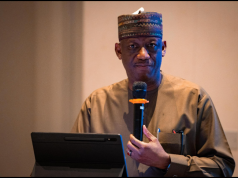
The President of the Sports Writers Association of Nigeria (SWAN), Isaiah Kemje Benjamin, says journalists must help change that narrative.
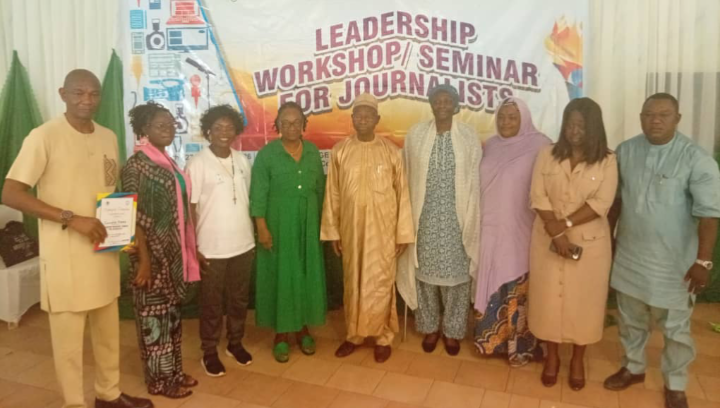
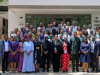
Benjamin made the call while delivering a presentation on “Gender-Sensitive Journalism: Removing Gender Stereotypes and Bias in Sports Reporting” at the two-day Annual Women in Sports Leadership Training/Seminar organised by the Women Commission of the Nigeria Olympic Committee (NOC) in Abuja.
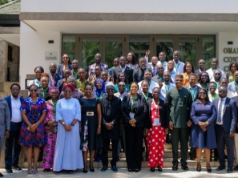
The seminar, which ended on Tuesday, brought together media professionals and sports administrators to examine ways of improving the visibility and recognition of women in sports.
Benjamin described gender-sensitive reporting as a professional responsibility, noting that media coverage influences public perception, sponsorship opportunities, investment and the overall development of sports.
“Gender-sensitive journalism is not about favouring women. It is about ensuring that gender does not determine whose achievements matter, whose voices are heard or whose stories deserve to be told,” he said.
He identified persistent challenges in sports reporting, including disproportionate coverage of men’s competitions, emphasis on female athletes’ physical appearance rather than their performance, unnecessary references to marital status and the use of different descriptions for similar behaviour by male and female athletes.
The SWAN president urged journalists to move beyond covering women’s sports only during major international competitions or when national teams win trophies.
He called for consistent reporting of domestic leagues, emerging athletes, coaches, referees and sports administrators, arguing that regular coverage would help build audiences and attract commercial interest.
“Women’s sports should not receive attention only when a national team wins a trophy. Sustainable visibility comes from consistent storytelling throughout the sporting calendar,” Benjamin said.
He also challenged media organisations to examine how inadequate coverage and promotion could restrict the growth of women’s sports, particularly in attracting sponsors and investors.
To improve visibility, he recommended athlete profiles, interviews, tactical analysis, digital storytelling and regular reports on domestic competitions.
He, however, warned against sensationalism and the exploitation of athletes’ private lives to generate online engagement.
Benjamin further called on media organisations to introduce gender-sensitive editorial guidelines, conduct regular audits of their sports coverage, engage more women as expert sources and provide journalists with continuous professional training.
He stressed that women journalists should have equal access to mentoring, international assignments and leadership positions, adding that efforts to eliminate gender discrimination must involve men as well.
Reaffirming SWAN’s commitment to ethical journalism, capacity-building and professional mentoring, he pledged stronger collaboration with the NOC, sports federations, leagues and clubs to improve journalists’ access to information and coverage of women’s competitions.
“Gender-sensitive journalism must be fair, not favourable. Our duty is not to protect women from legitimate criticism.
It is to ensure that they receive fair treatment, consistent scrutiny and appropriate recognition,” he said.
Other resource persons at the seminar included media professional Calistus Ibare and the immediate past Director of Press and Public Relations at the National Sports Commission (NSC), Dr Kehinde Ajayi.
They also stressed the need for stronger representation of women in the media and greater attention to women’s participation and achievements across the sporting sector.
Dignitaries at the event included NSC Chairman Shehu Dikko, Director-General Bukola Olopade, NOC President Habu Gumel and Chairperson of the NOC Women Commission, Professor Florence Adeyanju.
The seminar reinforced the need for journalists to look beyond medals and major tournaments, ensuring that women’s sporting achievements, professional expertise and leadership receive sustained attention throughout the year.
Join Our WhatsApp Community