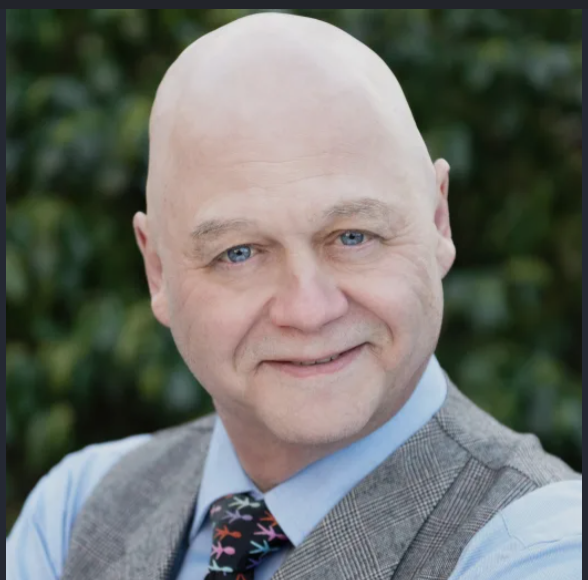
Disinformation: Garcia Warns Communicators Against Becoming Weapons Of Deception
A WhatsApp message forwarded without verification, a misleading social media post shared thousands of times or a false narrative repeated until it becomes accepted as truth can have consequences far beyond the screen, including putting lives at risk.
This is why communication professionals must take responsibility for the information they create and distribute, Professor Helio Fred Garcia has warned.
Garcia, a professor of ethics, leadership and crisis management at New York University, said communicators must resist becoming willing tools for misinformation and disinformation, whether through deliberate manipulation or a failure to verify facts.
He gave the warning while speaking at the World Public Relations Forum in Abuja, themed Responsible Communication: The Voice of the World.
He said the growing influence of artificial intelligence had made the fight against disinformation more urgent, as the technology could be deployed for both constructive and destructive purposes.
“Communicators have power, and with power comes responsibility,” he told participants, urging public relations professionals to use their influence to protect society rather than manipulate it.
Garcia, author of Words on Fire: The Power of Incendiary Language and How to Confront It, warned that irresponsible communication could create an atmosphere in which violence against perceived opponents, critics and vulnerable groups becomes acceptable.
He described deceptive narratives as weapons of mass distraction and mass deception, which could ultimately become weapons of mass destruction.
The professor argued that the real value of professional communicators goes beyond crafting messages or making organisations understood.
Their greatest contribution, he said, lies in influencing outcomes through an understanding of people’s values, motivations and behaviour.
He described this role as “applied anthropology”, explaining that communicators must study different audiences, including employees, customers, investors and regulators, to understand what drives their decisions and how responsible communication can influence behaviour.
Offering a practical response to the growing threat, Garcia advocated what he called pre-emptive refutation, a strategy designed to prepare people to recognise and reject disinformation before it takes hold.
He outlined three steps: forewarning the public about potentially misleading information, exposing the arguments likely to be used by those spreading it, and refuting the false narratives before they gain wider acceptance.
According to him, this approach can build public resistance to manipulation by helping audiences recognise deceptive tactics when they encounter them.
Garcia also challenged participants to become active disinformation detectors, communicate honestly and accurately, and take the lessons from the forum back to their respective countries and organisations.
He urged communication professionals to work with colleagues to develop practical responses suited to the realities of their societies.
With about 3,000 communication professionals attending the forum, he said collective action could create the influence needed to confront the growing threat.
Quoting Greek mathematician Archimedes, who said he could move the world with a sufficiently long lever, Garcia urged communicators to recognise the strength of their collective voice.
His message was clear: communication is not merely about getting a message across; it is about understanding the consequences of the message and taking responsibility for its impact.
Join Our WhatsApp Community