Hunger, Hardship Drive Wave Of Terrorist Surrenders In North-East – Defence HQ
Princess-Ekwi Ajide
The pressure inside terrorist enclaves in the North-East appears to be deepening, with the military reporting that scores of fighters and their families surrendered during September, citing hunger, harsh living conditions and shortages of basic necessities.
The Director Defence Media Operations, Major General Michael Onoja, said troops of Operation HADIN KAI recorded the surrender of more than 70 terrorist fighters and family members during September alone, as military operations continued across Borno, Yobe and Adamawa states.
The development formed part of a wider quarterly record in which 331 insurgents and their families surrendered to troops in the North-East.
According to the Defence Headquarters, those who surrendered consistently cited harsh living conditions, hunger and lack of basic provisions inside terrorist enclaves in the Mandara Mountains and the Lake Chad region.
The military said the surrenders occurred at several locations, including Monguno, Pulka, Dikwa, Bama, Ngala and along the Gwoza-Limankara Road.
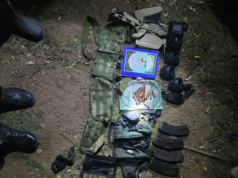
In one instance, a repentant fighter surrendered at Benisheikh with an AK-47 rifle, a hand grenade and an Improvised Explosive Device.
Two other fighters who surrendered from the Bula Daloye enclave in Bama were reported to have brought three AK-47 rifles with them.
The pressure on the terrorist groups was also reflected in the movement of civilians out of the enclaves.
On 24 September, troops intercepted and rescued 44 terrorist family members at Konduga in Bama Local Government Area of Borno State.
The group comprised 13 women and 31 children who, according to the military, had fled their enclave amid clashes between rival terrorist factions.
The military’s September operations also targeted the logistics chain supporting terrorist groups.
Troops arrested suspected suppliers and collaborators accused of moving food, pharmaceuticals, veterinary supplies, spare parts, cash and other materials to terrorist locations.
On 23 September, troops arrested a suspected logistics supplier transporting Starlink internet devices reportedly destined for Chad along the Dikwa-Gamboru Road.
The operational pressure was accompanied by direct military engagements.
Operation HADIN KAI troops neutralised 27 terrorist fighters and arrested 49 terrorists during September.
Troops also rescued 103 kidnapped victims during the month.
One of the significant engagements occurred on 17 September when troops, supported by an Air Component helicopter gunship, confronted a large-scale terrorist advance at Gajiram in Nganzai Local Government Area of Borno State, forcing the attackers to withdraw.
Further operations around Benisheikh and Azare Village resulted in additional arrests and weapons recoveries.
The quarterly figures show that the North-East remains one of the military’s most active theatres.
Between July and September, Operation HADIN KAI reported 273 terrorists neutralised, 348 arrested and 297 kidnapped victims rescued, alongside the surrender of 331 insurgents and their families.
The figures point to a campaign combining battlefield pressure with efforts to disrupt the networks that keep terrorist groups supplied.
The Defence Headquarters said the military would continue kinetic and non-kinetic operations across the theatre, while working with other security agencies and local communities to consolidate security gains.
For communities that have lived with insurgency for years, however, the significance of the figures will ultimately be measured not only by arrests and weapons recovered, but by whether the pressure translates into safer roads, reopened communities and fewer families living under the threat of abduction.
Join Our WhatsApp Community