INEC Tackles 2011 Voter Register Scars Ahead Of 2027 Polls
Princess-Ekwi Ajide
Imagine registering to vote, moving to another state or community, and registering again because transferring your voter details appears inconvenient.
Years later, both records could still exist in the national database, creating confusion over the authenticity of the voters’ register.
That is one of the historical problems the Independent National Electoral Commission (INEC) says it is now confronting as it prepares for the 2027 general elections.
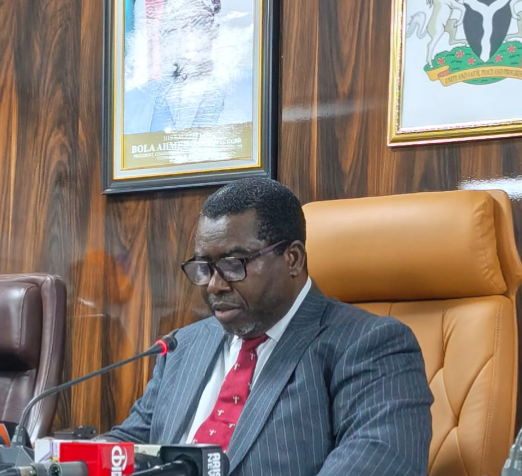
INEC Chairman, Prof. Joash Amupitan, on Monday disclosed that some of the irregularities generating public complaints about the national register predate the 2025-2026 Continuous Voter Registration exercise, with records dating as far back as 2011.
Amupitan said the current register contains biometric and demographic information captured under different technologies, operational arrangements and quality standards over successive registration exercises.
He explained that although the Commission had carried out biometric comparisons and other verification exercises over the years, significant historical integrity concerns remained.
According to him, some Nigerians who moved from their original registration locations allegedly registered afresh instead of transferring their existing records.
Although the Automated Biometric Identification System (ABIS) identified duplicate registration attempts, their previous records remained in the register at their former locations.
The chairman said this had contributed to complaints about duplicate names and photographs circulating on social media.
He disclosed that, following complaints from Nigerians and the identification of obvious cases requiring attention, the Commission had decided to extend its clean-up efforts to historical records, subject to proper verification.
The development comes after INEC deferred its proposed nationwide voter revalidation exercise following concerns from stakeholders that its timing could disrupt participation in the 2027 elections or disenfranchise eligible voters.
Amupitan, however, stressed that postponing the exercise did not remove the Commission’s legal responsibility to maintain an accurate register.
He said statutory claims and objections, biometric screening and other established verification procedures remained part of the preparation of the final voters’ register.
The INEC chairman also urged voters who had registered in the past and subsequently moved to check their records at their previous registration locations where necessary.
The Commission’s challenge now goes beyond removing questionable entries.
It must establish how historical weaknesses persisted, identify those responsible where wrongdoing is established and ensure that legitimate voters are not punished for administrative failures.
For Nigerians, the ultimate test will be whether the clean-up produces a register that accurately reflects eligible voters before the 2027 elections.
Join Our WhatsApp Community