Nigeria’s States Have More Money. How Are They Spending It?
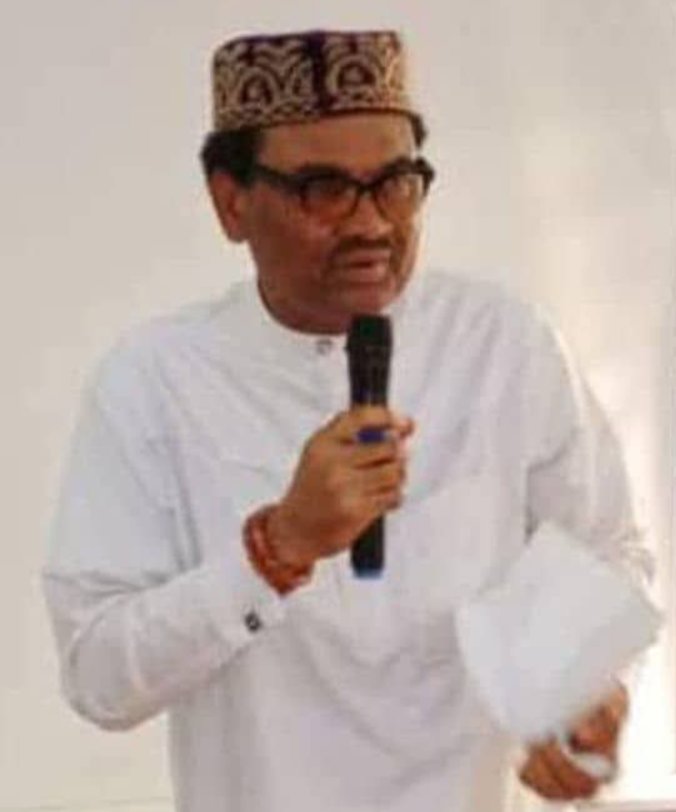
By Prince Chris Azor
When a family’s income rises, the sensible response is to first fix what matters most: the leaking roof, school fees, healthcare and food. Government should work the same way.
Nigeria’s governors are operating in a significantly changed fiscal environment. Between 2023 and May 2026, the three tiers of government reportedly generated an estimated ₦118.8 trillion.
But bigger revenue does not necessarily mean greater purchasing power. Inflation, naira depreciation and rising costs of construction, healthcare, transport and energy have made government projects more expensive.
Governors are therefore right to warn against the illusion that higher naira allocations automatically mean government is richer.
But that cannot be the end of the argument.
A weaker naira may reduce what government can buy. Inflation may increase the cost of projects. Neither, however, decides what government should prioritise.
That is the real issue.
Citizens do not experience government through revenue figures. They experience it through functioning hospitals, classrooms, roads, water systems, security and economic opportunities.
So when billions are budgeted for capital projects but little is released or implemented, the problem is not simply inadequate revenue.
It raises questions about planning, priorities, cash management and accountability.
The same scrutiny should apply to recurrent spending. Government buildings, official vehicles, foreign trips and administrative facilities may have legitimate uses.
But in a difficult economy, every such expenditure should be weighed against competing needs.
Should the question always be: is this the best use of public money now?
That is why transparency matters.
Citizens should know what their governments receive, what they budget, what they release, what they spend and, crucially, what the money produces.
Major projects should be traceable from allocation to completion. Where costs rise, or projects stall, governments should explain why.
Accountability is not simply about catching officials doing something wrong. It can also help governments make better decisions with limited resources.
Governors deserve credit when they improve internally generated revenue, attract investment or deliver infrastructure.
But higher revenue should also raise the standard by which their performance is judged.
Citizens are facing the same economic pressures: higher food prices, transport costs, school fees, rent and medical bills.
They may understand that government has limited resources and rising costs. What they want is evidence that available resources are being used wisely.
Ultimately, the test of public finance is not the size of a budget.
It is what happens after the money arrives.
Does the road get built? Does the hospital work? Does the school improve? Does the farmer become more productive?
Does a young person gain a genuine opportunity? Can citizens trace public money from allocation to outcome?
Nigeria’s governors may not have as much money as headline figures suggest. But they have enough public resources for the quality of their choices to matter.
And that is where the real test of governance begins.
Prince Chris Azor is a citizen advocate and Non-State Actors’ Co-Chair, Open Government Partnership (OGP), Anambra State.
He can be reached on 08032102294 (SMS only).
Join Our WhatsApp Community