How Big Food Hijacks Nigeria’s Holidays and Why It’s Becoming A Health Emergency
By Humphrey Ukeaja
Festive seasons are meant for joy, family and reflection.
But behind the bright adverts and cheerful jingles, Nigeria’s holidays have become a prime opportunity for Big Food corporations to quietly shape what we eat, and harm public health in the process.
Christmas, New Year, Easter and major Islamic celebrations sit at the heart of corporate marketing calendars.
During these moments of emotional openness and social bonding, ultra-processed foods (UPFs) and sugar-sweetened beverages (SSBs) are relentlessly promoted as symbols of celebration, convenience and togetherness.
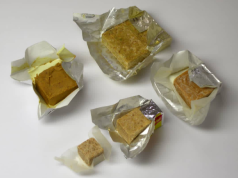
Television adverts, billboards and social media influencers routinely portray fizzy drinks, instant noodles and packaged snacks as essential companions to festive meals.
This is not accidental. In 2023, four of Nigeria’s most profitable beverage companies ranked among the country’s top ten advertising spenders.
The strategy has paid off commercially, helping to position Nigeria as one of the world’s largest beverage markets, while normalising sugary drinks as part of daily life.
The health cost, however, is staggering.
These same products, high in sugar, salt and unhealthy fats, are aggressively marketed to children and young people as affordable and harmless.
Over time, festive indulgence becomes an everyday habit.
Traditional meals made from fresh, local ingredients are displaced by quick, packaged alternatives, stripping food of its cultural and nutritional value.
Few notice the trap until the damage is done.
Nigeria is now experiencing a dangerous nutrition transition, fuelling noncommunicable diseases (NCDs) such as diabetes, hypertension, cardiovascular disease and kidney failure.
No fewer than 30,000 Nigerians die annually from diabetes alone, while the World Health Organisation estimates that about 250 Nigerians die every day from diet-related NCDs. Overall, these diseases account for nearly 30 per cent of deaths nationwide.
Against this backdrop, the Senate’s public hearing on strengthening the Sugar-Sweetened Beverage tax is a critical intervention.
Backed by the Coordinating Minister of Health and Social Welfare, Professor Muhammad Ali Pate, the proposal seeks to raise the current N10-per-litre tax, widely considered too weak to curb consumption, and earmark the revenue for public-health programmes.
Evidence from countries like Mexico shows that taxes of 20-50 per cent of retail price can significantly reduce sugary-drink intake and support disease prevention.
Yet taxation alone is not enough.
Nigeria also needs mandatory Front-of-Pack nutrition labelling on ultra-processed foods, especially during festive periods when purchasing decisions are emotionally driven.
Clear warnings can help consumers quickly identify products high in sugar, salt or unhealthy fats.
Equally urgent are restrictions on junk-food marketing to children, including banning cartoon characters on packaging, stopping promotions in schools and limiting festive giveaways aimed at young audiences.
Countries such as Chile have adopted these measures with proven success.
Individual choices matter, but personal responsibility has limits. Families cannot realistically compete with billion-naira marketing campaigns that exploit faith, celebration and togetherness.
When unhealthy foods are cheaper, more visible and more aggressively promoted than nutritious options, the market is fundamentally unfair.
Strengthening the SSB tax, introducing Front-of-Pack labelling and restricting junk-food marketing are not punitive actions.
They are evidence-based tools to protect public health.
If urgent action is not taken, today’s festive excesses will become tomorrow’s medical emergencies, paid for by families, communities and an already overstretched health system.
Our holidays should nourish our bodies as much as they lift our spirits.
Follow the Savinews Africa channel on WhatsApp: https://whatsapp.com/channel/0029VawgaEL5vKA9Y5XTFg0n