Borno State, WHO, EU Begin Expansion Of Monguno Hospital to Boost Healthcare In Conflict Zones
In a major stride towards rebuilding healthcare in Nigeria’s conflict-affected northeast, Borno State Government has begun the expansion of Monguno Specialist Hospital, with support from the World Health Organization (WHO) and funding from the European Union (EU).
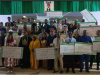
The foundation stone for the upgraded facility was laid on 12 May 2025, marking a milestone in the state’s health recovery efforts.
Once completed, the hospital will feature new inpatient wards, outpatient units, maternal and child health centres, and improved water, sanitation, and hygiene (WASH) facilities.
The initiative is set to transform Monguno into a regional health hub, serving nine local government areas and even reaching cross-border communities in Chad and Niger Republic.
Speaking on behalf of Deputy Governor Umar Usman Kadafur, Borno’s Health Commissioner, Professor Baba Mallam Gana, described the project as a “critical investment” in health delivery. “This expansion will improve care, reduce overcrowding, and particularly benefit women and children,” he said.
WHO Representative in Nigeria, Dr Walter Kazadi Mulombo, reaffirmed the organisation’s dedication to equity in healthcare. “This project is a testament to our joint commitment to reach remote and underserved communities,” he noted.
The Monguno upgrade follows a similar effort in Biu, as part of a broader strategy to restore essential health services for internally displaced persons and host communities across Borno.
With completion slated for late 2025, the hospital is expected to provide lifesaving services to thousands living amidst poverty, malnutrition, and broken infrastructure.
Commissioner for Reconstruction, Rehabilitation and Resettlement, Arc Isa Halidu Garba, emphasised the project’s wider impact: “This is about restoring not just facilities, but also hope.”
Beyond infrastructure, WHO and partners continue to support Borno State in disease surveillance, health worker training, and essential service delivery bringing healthcare closer to the people who need it most.