Superbugs: Experts Push Urgent Action To Protect ICU Patients
Princess-Ekwi Ajide
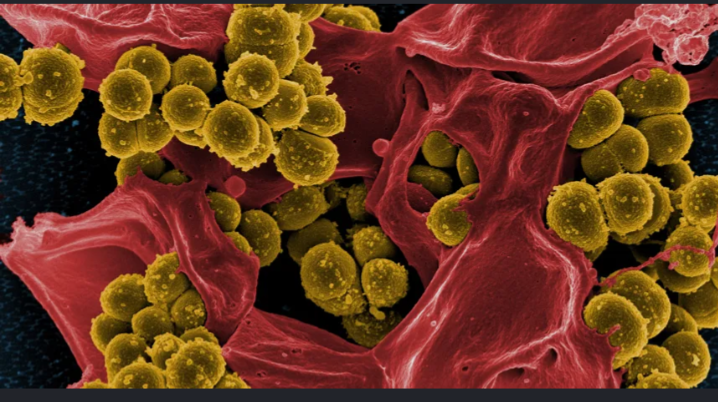
A patient admitted to an intensive care unit is already fighting for life. But beyond the illness that brought them to hospital, another invisible threat could make survival even harder: drug-resistant infections that no longer respond to commonly used antibiotics.
For some critically ill patients, the danger comes from hospital-acquired infections caused by antimicrobial-resistant organisms, commonly known as superbugs.
With experts warning that 38 per cent of superbug-related deaths occur within the first 14 days of ICU admission, attention is shifting towards stronger infection prevention measures, including technologies designed to disinfect hospital environments without disrupting critical care.
Ahead of the fifth Global High-Level Ministerial Conference on Antimicrobial Resistance (AMR), scheduled to hold in Abuja from 6 to 8 December 2026, the Pragathi Rural Development Trust has called on governments to consider standardising Citrobioshield, a citrus-based antimicrobial fogging product, for use in intensive care and other critical care units.
In a press statement, the Indian-based organisation urged Nigeria’s health authorities and other governments to adopt policies supporting the use of the product as part of hospital infection prevention and control measures.
The call comes as global health leaders prepare to discuss practical approaches to tackling antimicrobial resistance under the conference theme, One Health: Advancing Global AMR Commitments through Local Action.
The Trust said conventional hospital fumigation methods, which often rely on chemicals such as sodium hypochlorite, hydrogen peroxide and aldehyde-based formulations, can create operational difficulties in critical care environments.
These include the need to temporarily evacuate patients, possible damage to sensitive medical equipment and exposure of healthcare workers to irritating chemical residues.
It argued that such challenges could discourage frequent deep decontamination, leaving gaps in infection prevention.
New technology under scrutiny
Citrobioshield, manufactured by Germkill India, is derived from bioflavonoid extracts of citrus fruits, including Citrus reticulata and Citrus sinensis.
According to the organisation, the product is designed to provide environmental disinfection through automated micro-droplet fogging, with claims of achieving a six-log reduction in microorganisms, equivalent to 99.9999 per cent reduction under specified testing conditions.
The Trust cited a controlled comparative study published in the Journal of Ayurveda and Integrated Medical Sciences (JAIMS), which reportedly assessed the product against conventional chemical formulations.
Among the benefits claimed are the ability to disinfect patient-occupied spaces without relocating critically ill patients, reduce microbial contamination and protect sensitive hospital equipment from corrosive chemical exposure.
However, the product’s safety, effectiveness in occupied ICUs and long-term impact on hospital-acquired infections will require independent clinical assessment and regulatory scrutiny before any nationwide policy adoption.
The organisation also identified BRAINS Super Speciality Hospital in Bengaluru as one of the facilities using the technology in its ICU and operating theatre protocols.
Other facilities listed include Vani Vilas Hospital, Rajiv Gandhi Institute of Chest Diseases, Apollo Hospital in Chittoor and Gandhi Hospital in Hyderabad.
Experts call for action at hospital level
Neurosurgeon and Founder Chairman of BRAINS Super Speciality Hospital, Dr N. K. Venkataramana, said preventing the transmission of resistant organisms should be an immediate priority rather than waiting for long-term global interventions.
He argued that preventing infections at the bedside could reduce the need for laboratory investigations and antibiotic treatment.
Similarly, Chief Consultant in Neuroanaesthesia and Neuro-critical Care at the hospital, Dr Pavithra V, said hospitals needed more aggressive ward-level infection prevention measures, even where municipal water, sanitation and hygiene systems were functioning effectively.
She noted that hospital environments presented unique infection risks requiring continuous monitoring and targeted interventions.
The Trust’s Chairman, Dr R. Nagaraja Naidu, stressed the importance of extending infection prevention efforts beyond major hospitals to rural healthcare facilities.
He said standardised hygiene education, practical technical resources and effective biomedical waste management were essential to protecting communities from infectious diseases.
Abuja conference faces a critical test
The push for Citrobioshield comes at a time when antimicrobial resistance is receiving renewed international attention.
The Abuja ministerial conference is expected to bring together government representatives and global health stakeholders to strengthen commitments against the growing threat.
While new medicines, vaccines, improved diagnostics and responsible antibiotic use remain important components of the response, infection prevention is equally critical.
However, experts and policymakers will need to distinguish between promising technologies and interventions supported by sufficiently robust independent evidence.
The World Health Organization’s global AMR strategy places infection prevention and control among the key measures for slowing the spread of resistant organisms.
For patients in intensive care, where an additional infection can complicate an already critical medical condition, the priority remains clear: prevent infections wherever possible, identify them early and use antibiotics responsibly.
The challenge facing delegates in Abuja will be to translate global commitments into practical measures that hospitals can implement, monitor and sustain, without exposing patients to unproven interventions.
Join Our WhatsApp Community