Beyond the Boardroom: How Food Is Giving Nigeria-China Relations A New Flavour
Princess-Ekwi Ajide
Before the speeches, there was food. Before the diplomacy, there was a table.
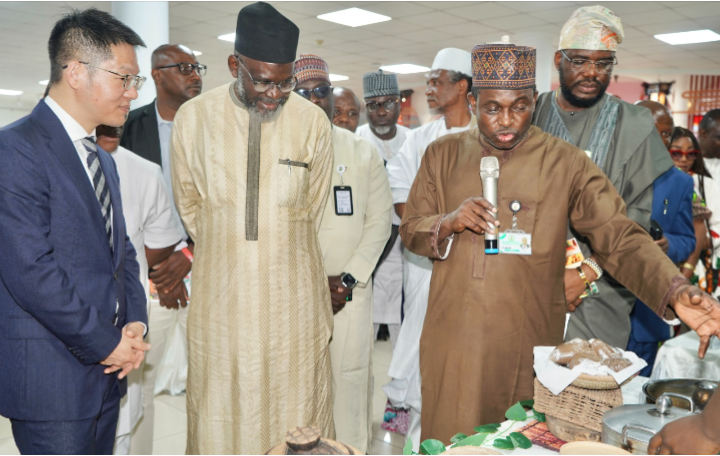
In Abuja on Thursday, Nigeria and China marked 55 years of diplomatic relations in a setting far removed from the usual conference room, through dishes, music, art and the stories carried by their cuisines.
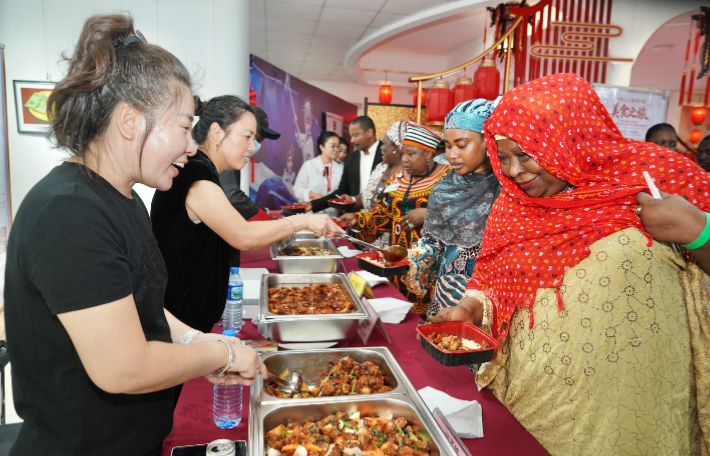
The 2026 Nigeria-China Food Festival, held at the China Cultural Centre, brought together the culinary traditions of both countries in a colourful celebration of culture and growing bilateral ties.
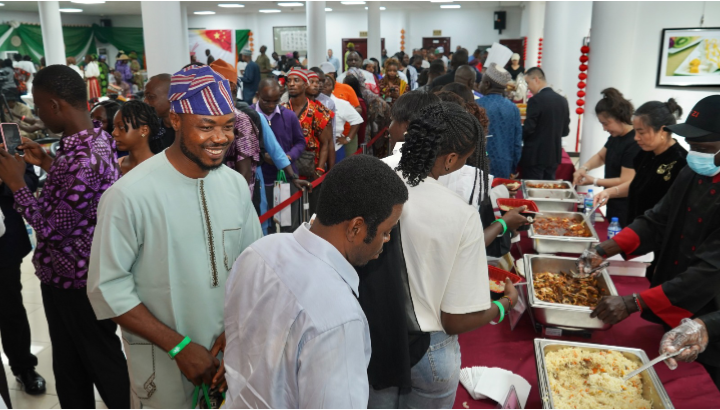
Twelve Nigerian dishes drawn from the country’s six geopolitical zones shared the spotlight with 14 regional Chinese delicacies, allowing guests to taste the diversity of two countries with distinct culinary traditions.
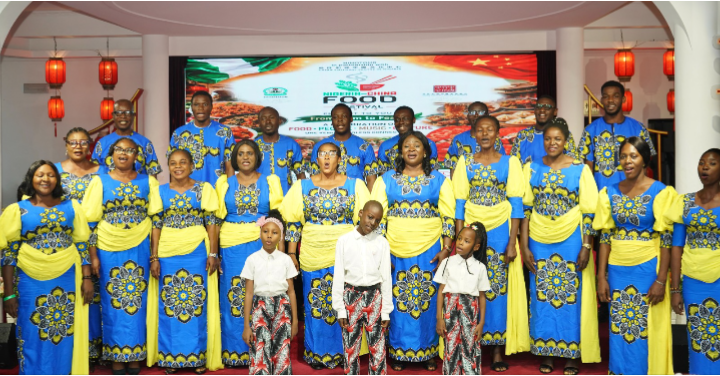
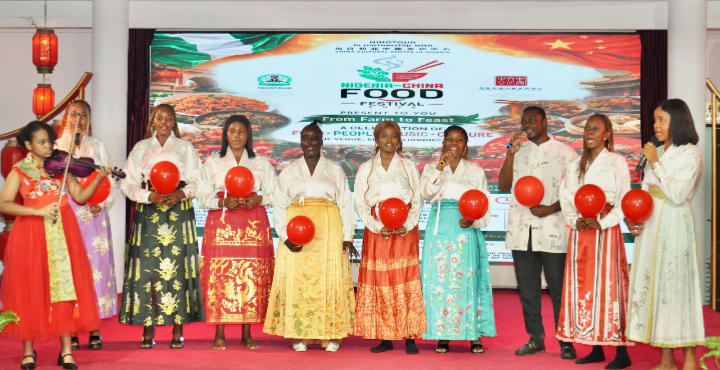
A traditional Nigerian bush bar, grilled skewers and cultural performances added to the experience, turning the festival into more than a food showcase.
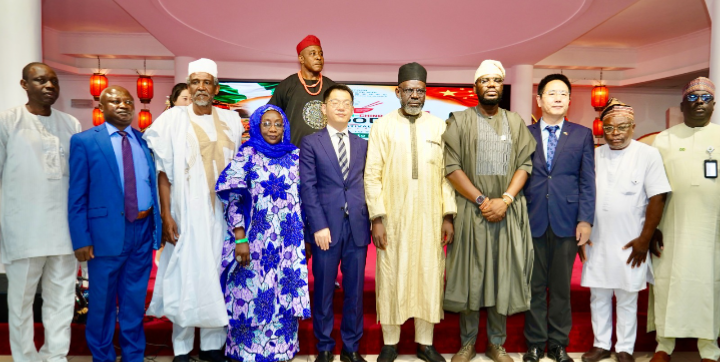
For Mr Zhou Hongyou, Chargé d’Affaires ad interim of the Chinese Embassy, cuisine offers a window into a people’s history and identity.
“Every dish carries a people’s history, and every flavour offers an insight into their culture,” he said.
The cultural exchange comes as economic ties between the two countries continue to expand. Bilateral trade reached $18 billion in the first half of 2026, pointing to the scale of the relationship beyond diplomacy and official engagements.
For Nigeria, the event also drew attention to the economic potential of its culinary heritage.
Representing the Minister of Arts, Culture, Tourism and the Creative Economy, Permanent Secretary Ibrahim Abdulkarim Ozi said food and beverage remained the largest sub-sector of Nigeria’s tourism industry.
That makes the country’s cuisine more than a matter of taste. It is part of Nigeria’s cultural identity and a potential source of jobs, enterprise and tourism revenue.
The Director-General of the National Institute for Hospitality and Tourism (NIHOTOUR), Aare Abisoye Fagade, said Nigeria was well placed to benefit from the growing global interest in food tourism.
But the opportunity, he noted, lies in how the country presents its food to the world, by properly packaging and promoting its soups, spices, grains and traditional dishes without stripping them of their authenticity.
That challenge may be as important as the celebration itself.
Nigeria has no shortage of distinctive food. What it needs is a stronger system for turning that diversity into experiences visitors can discover, businesses can build around and communities can earn from.
At the China Cultural Centre, diplomacy was served differently: not across a negotiating table, but around a dining table.
And after 55 years of Nigeria-China relations, the festival showed that a shared meal can sometimes say what official communiqués cannot.