Diagnosed With HIV At 12, Sneha Turns Pain Into Hope For Vulnerable Children
Shobha Shukla – CNS
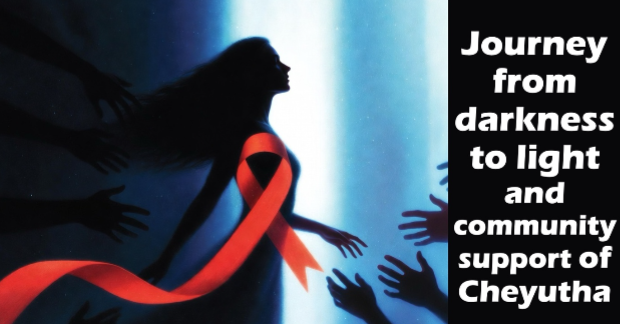
For 23-year-old Sneha, living with HIV has been a journey from childhood shock and discrimination to becoming a source of hope for other young people facing the same reality.
Diagnosed at just 12 during routine tests ahead of ear surgery, Sneha’s life changed abruptly. Her mother initially refused to believe the result, repeating the test at three different laboratories. Each returned the same diagnosis.
No other member of her family tested positive, leaving unanswered questions about how she contracted the virus.
But rather than allow her diagnosis to define her future, Sneha has turned her experience into a mission to support children and adolescents living with HIV.
After receiving treatment at the government-run Niloufer Hospital in Hyderabad, India, Sneha later connected with Cheyutha, a women-led community initiative supporting people living with HIV.
The organisation helped with her nutrition and education at a critical period in her life.
Years later, after gaining a better understanding and acceptance of her HIV status, Sneha began working with adolescents living with the virus.
“The children for whom I worked reminded me of my earlier days when I was newly diagnosed with HIV,” she said.
Many of the approximately 150 adolescents she supported came from extremely vulnerable backgrounds.
About 70 per cent were semi-orphans dependent on single parents or elderly grandparents, while others struggled with stigma, inadequate care and missed medication.
Determined to give them the support she once needed, Sneha helped build trust with the adolescents and encouraged them to adhere to treatment.
Through monthly Adolescent Friendly Health Clinics, the young people received medical check-ups, nutritional supplements, counselling, career guidance and life-skills training in an environment free from discrimination.
The impact has been remarkable.
According to Sneha, viral suppression among the adolescents increased from less than 55 per cent at the beginning of the intervention to 92 per cent within three years.
Viral suppression allows people living with HIV to remain healthy and eliminates the risk of sexual transmission, reinforcing the global message that Undetectable equals Untransmittable, or U=U.
Despite such progress, Sneha says stigma remains one of the greatest challenges confronting people living with HIV.
She recalled experiencing discrimination from relatives and discriminatory attitudes from healthcare workers who treated patients differently after learning of their HIV status.
The fear of rejection has also forced many people living with HIV into silence.
“None of my friends know that I am living with HIV,” Sneha said, explaining that previous experiences of discrimination have made disclosure difficult.
Her experience reflects the wider challenge of HIV-related stigma, which continues to discourage people from seeking healthcare, disclosing their status and remaining on treatment.
Although the project under which Sneha initially worked ended in March 2025 following funding cuts, she has continued her advocacy as a peer counsellor with Cheyutha, while monthly health camps are sustained through support from local donors.
Her story demonstrates that HIV treatment alone is not enough. Young people living with the virus also need acceptance, accurate information, psychosocial support and safe spaces where they can speak without fear.
As the world prepares for the 26th International AIDS Conference, AIDS 2026, Sneha’s journey offers a powerful reminder of what a people-centred HIV response should look like.
A frightened 12-year-old who once struggled to understand her diagnosis is today helping other vulnerable children overcome stigma, stay on treatment and reclaim hope.
Her journey also carries an urgent message: ending HIV as a public health threat will require more than medicine.
It will demand an end to discrimination and a commitment to ensuring that no child or young person living with HIV is left to face the journey alone.
Shobha Shukla – CNS (Citizen News Service)
Shared under Creative Commons (CC)
Follow the Savinews Africa channel on WhatsApp:https://whatsapp.com/channel/0029VawgaEL5vKA9Y5XTFg0n
Join Our WhatsApp Community