High Costs, Poor Power Threaten Africa’s Industrial Future – PAOSMI
For a manufacturer struggling to keep machines running, an entrepreneur unable to secure affordable loans or a factory owner forced to spend heavily on alternative power, doing business in Africa remains an uphill battle.
The Pan African Alliance of Small and Medium Industries (PAOSMI) has identified high lending rates, expensive and unreliable electricity, skills shortages and fragmented trade standards as major barriers holding back industrialisation across the continent.
The organisation warned that without urgent policy reforms and stronger collaboration, African manufacturers would continue to struggle to compete in the global market.
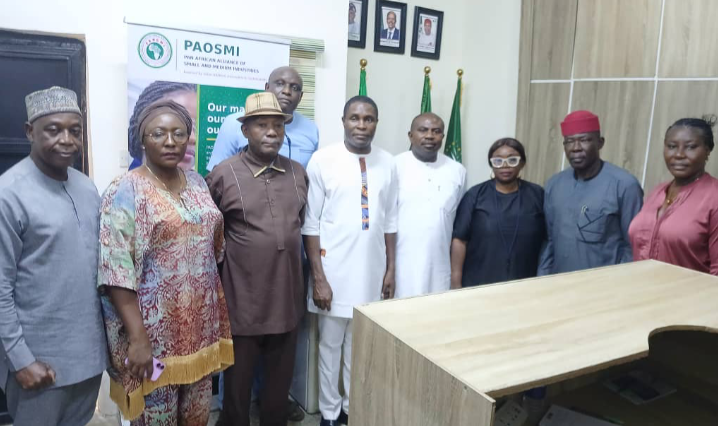
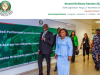
Its Director-General, Dr Henry Emejuo, raised the concerns on Thursday in Abuja when the executive members of the Association of West African Legislative Correspondents (AWALCO), led by its President, Innocent Odoh, paid him a courtesy visit.
Emejuo said PAOSMI was working to strengthen small and medium industries, emerging manufacturers and start-ups as critical drivers of Africa’s industrial growth.
He explained that the organisation had affiliate networks in 40 countries, comprising about 84 networks, including ASURI in Nigeria.
According to him, PAOSMI operates a collaborative model that brings industry, academia and government together, with the media playing a vital role in promoting industrial development and communicating opportunities.
He stressed that universities must drive research and innovation, industries must translate research into commercial products, while governments must create policies that enable businesses to thrive.
High borrowing costs, power crisis
Emejuo identified access to affordable, long-term financing as one of the biggest challenges confronting African manufacturers.
He said lending rates across the continent were significantly higher than those in industrialised economies, while the short-term nature of available loans made them unsuitable for investments in factories, machinery and production.
He argued that banks needed to do more to finance the productive economy rather than focus largely on short-term lending.
The PAOSMI chief also described Nigeria’s electricity situation as a double burden for manufacturers, who contend with both high energy costs and unreliable supply.
He put the average cost of a kilowatt-hour of electricity in Nigeria at about 16 US cents, arguing that the cost puts locally manufactured products at a competitive disadvantage against goods from countries with cheaper energy.
Beyond financing and electricity, Emejuo raised concerns about the shortage of technically skilled workers, questioning why foreign professionals were often engaged for specialised positions in major industrial projects.
He cited the involvement of Indian skilled workers in refinery projects as an example, asking why more Nigerians could not fill such technical roles.
He called for a review of the country’s education and technical training systems to align graduates’ skills with the actual needs of industries.
AfCFTA: Call for common standards
Emejuo also called for harmonised industrial policies and standards across African countries to make cross-border trade easier, particularly under the African Continental Free Trade Area (AfCFTA).
He said manufacturers should not be forced to undergo multiple registration and certification processes before their products could enter other African markets.
He urged African standards institutions to accelerate efforts towards common certification frameworks, noting that fragmented regulations increase the cost of doing business.
The PAOSMI director-general further identified poor financial connectivity, difficulties transferring money across African borders, mobility restrictions and transportation challenges as obstacles to intra-African trade.
He maintained that industrialisation would require more than policies on paper, stressing the need for practical reforms that reduce production costs and improve access to markets.
AWALCO seeks stronger partnership
Earlier, AWALCO President, Comrade Innocent Odoh, said the association was seeking a stronger working relationship with PAOSMI to deepen its members’ understanding and coverage of trade, investment, manufacturing and industrial development.
Odoh said an earlier engagement with the organisation had exposed members to its activities and generated interest in a more structured partnership.
He explained that the association was interested in expanding reportage of PAOSMI’s programmes while creating opportunities for interviews, conferences, seminars and workshops.
He assured the organisation of AWALCO’s commitment to sustained media coverage, adding that the proposed partnership would go beyond occasional engagements to build a closer working relationship.
Emejuo welcomed the initiative, noting that stronger media engagement would help draw policymakers’ attention to the challenges confronting African businesses and promote policies capable of accelerating industrial growth.
Join Our WhatsApp Community