WHO: Millions Still Face HIV Barriers Despite Life-Saving Progress In Africa
Princess-Ekwi Ajide
For millions of people living with HIV in Africa, staying healthy depends on more than the availability of life-saving medicines.
It also depends on whether they can afford to reach a clinic, find drugs in stock, access testing without fear of discrimination and receive treatment with dignity.
As the world prepares to mark World AIDS Day on 1 December 2026, the World Health Organisation (WHO) has warned that barriers to HIV prevention, testing and treatment continue to threaten progress towards ending AIDS as a public health threat by 2030.
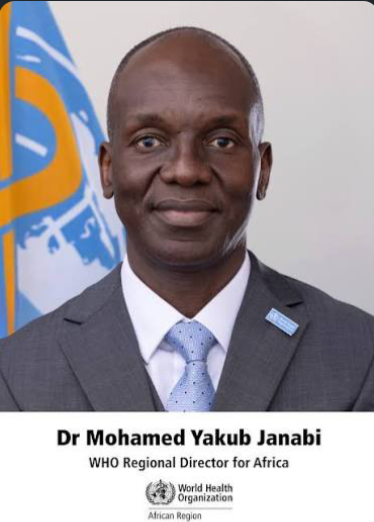
WHO Regional Director for Africa, Dr Mohamed Janabi, said the African Region had recorded significant gains in the fight against HIV, with millions of lives saved and access to treatment expanding across countries.
In a World AIDS Day message, Janabi disclosed that an estimated 26.3 million people were living with HIV in the WHO African Region in 2026, while 21.7 million were receiving antiretroviral therapy (ART).
He said the figures reflected decades of leadership, resilience and innovation but stressed that more needed to be done to ensure everyone could access life-saving services.
This year’s theme, “Ending AIDS Starts with Access,” highlights the need to bridge the gap between scientific advances and the people who need them.
Janabi explained that access to prevention services would help individuals protect themselves and their loved ones, while testing would enable people to know their HIV status and seek timely care.
He added that uninterrupted treatment allows people living with HIV to lead long, healthy and productive lives, while confidential services free from stigma and discrimination protect their dignity.
However, he identified distance to health facilities, transport costs, medicine stock-outs, punitive laws, gender inequalities and stigma as persistent obstacles preventing many people from seeking care.
According to him, these barriers contribute to undetected infections, delayed treatment and missed opportunities to prevent further transmission.
The WHO Regional Director noted that countries across Africa were expanding differentiated HIV service delivery, integrating treatment into primary healthcare, strengthening community-based systems and preparing to introduce new prevention tools.
He said the priority was to make these interventions affordable and accessible to everyone, particularly underserved communities.
Looking towards the 2030 target, Janabi called on governments to sustain investments in HIV prevention, testing, treatment and care, while urging development partners to support countries in expanding access to emerging prevention technologies.
He also emphasised the importance of involving people living with HIV in decisions about healthcare delivery, noting that their experiences should continue to shape the regional response.
“Every person who can protect their health, get a diagnosis in time or return home with the medicines they need, brings us closer to ending AIDS as a public health threat,” he said.
Janabi urged stakeholders to sustain the gains made over the decades, stressing that access to life-saving HIV services must not depend on where people live, their financial circumstances or their social status.
Join Our WhatsApp Community