NACTAL: US Trafficking Report Understates Nigeria’s Anti-Trafficking Efforts
For survivors of human trafficking, access to shelter, rehabilitation and support can be the difference between recovery and renewed vulnerability.
Yet, the organisations providing these services risk being overlooked in official assessments of Nigeria’s fight against trafficking.
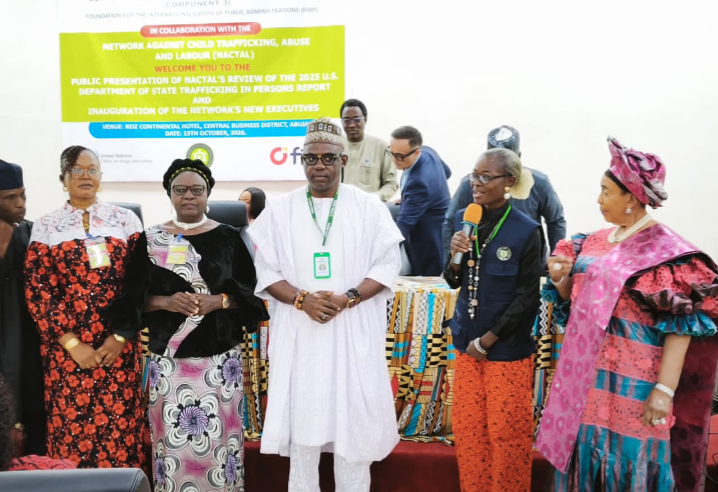
Nigeria’s Network Against Child Trafficking, Abuse and Labour (NACTAL) has faulted the United States Department of State’s 2025 Trafficking in Persons (TIP) report, saying it failed to adequately capture the contributions of government agencies, civil society organisations and development partners.
Newly inaugurated NACTAL National President, Osita Osemene, said accurate reporting was essential for effective coordination, victim protection and the planning of anti-trafficking interventions.
“The fight against human trafficking is a collective responsibility; everyone must be involved to ensure that it is won,” said Osemene, who is also director of Patriotic Citizen Initiatives.
Former NACTAL president, Abdulganiyu Abubakar, said a committee reviewing the report identified gaps in the documentation of victim shelters, rehabilitation services, government policy progress and the work of NACTAL member organisations.
He also cited Nigeria’s efforts to combat trafficking across West Africa, arguing that the country’s contributions should be adequately reflected even where shortcomings remain.
At the presentation of a report documenting NACTAL members’ activities in 2025, FIAP Deputy Team Lead, Javier Leon, urged stakeholders to measure progress by its impact on people, not statistics alone.
Leon said civil society organisations often identify trafficking victims, hear their accounts and provide critical support, but their contributions are not always reflected in official data.
“The absence of recognition does not mean the absence of impact,” he said, calling for stronger information-sharing among government agencies, international partners and civil society groups.
The activity report was compiled and published with FIAP support under its Migration Governance Component 3 project, funded by the European Union.
Meanwhile, Osemene pledged to expand NACTAL’s membership from about 200 organisations to 1,000 within one year, while strengthening members’ capacity to support victims, protect children and prevent trafficking.
He said a broader network of organisations would improve collaboration and strengthen Nigeria’s response to human trafficking.
Join Our WhatsApp Community