Climate Crisis Threatens West Africa’s Stability, Experts Tell ECOWAS Parliament
Princess-Ekwi Ajide
Climate change is no longer a distant environmental concern for West Africa; experts say it is increasingly affecting livelihoods, infrastructure, food security and regional stability.
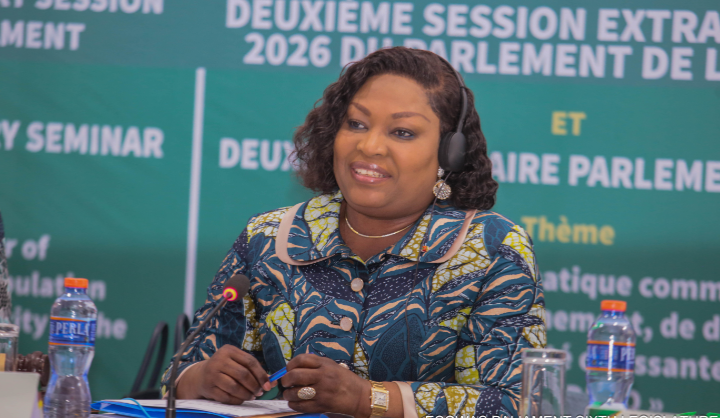
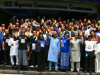
They made the assessment as the Second Extraordinary Session of the ECOWAS Parliament and its Second Seminar opened in Accra, Ghana, with a focus on “Climate Change as a Driver of Environmental Degradation, Population Displacement and Rising Insecurity in the ECOWAS Region.”
The experts warned that rising temperatures, erratic rainfall, drought, flooding, rising sea levels and land degradation were placing growing pressure on vulnerable communities across the region.
Speaking on climate risks and regional stability, the Senior Programme Officer, Climate Change and Ozone Directorate of Ghana’s Environmental Protection Authority, Dr Derek Sarfo-Yiadom, said climate hazards were already affecting communities.
He noted that seasonal temperatures had risen by between one and three degrees Celsius since 1970, contributing to more intense heatwaves and unpredictable weather patterns.
Sarfo-Yiadom identified farmers, low-income communities, coastal settlements and displaced populations among those most exposed to climate-related risks, while warning that weak coping capacity could turn climate hazards into disasters.
He called for increased investment in adaptation, climate-risk mapping, flood-proof zoning and early-warning systems that reach vulnerable communities.
Also speaking, ECOWAS Commission Principal Officer for Climate Change and Climate Services, Mr Raoul Kouame, urged the region to move beyond climate commitments to coordinated implementation.
He identified institutional fragmentation, varying national capacities and limited access to climate finance as major barriers, calling for stronger coordination between ECOWAS and member states.
A climate, water and meteorology expert with CILSS, Dr Abdou Ali, stressed that climate risks transcend national borders and therefore require regional responses, particularly in agriculture, land degradation, food security, biodiversity and population displacement.
He urged member states to strengthen the sharing of climate data, technical expertise and early-warning information, while integrating climate action into agriculture, forestry, energy, transport and waste management policies.
Opening the session, the Speaker of the ECOWAS Parliament, Hadja Memounatou Ibrahima, welcomed delegates and highlighted the significance of the deliberations.
She also recalled the Pan-African vision of Ghana’s first President, Dr Kwame Nkrumah, whose memory was honoured with a minute of silence.
Parliamentarians are continuing deliberations on the expert presentations, with regional cooperation, adaptation financing and stronger implementation emerging as key priorities.
Join Our WhatsApp Community