Nigeria Moves To Tackle Deadly Diet-Related Diseases Through Stronger Food Policies
Princess-Ekwi Ajide
For millions of Nigerians, the daily struggle to put food on the table is often more pressing than worrying about what is on their plates.
Yet, health experts warn that what people eat, how food is produced and what is available in the market could determine whether they live healthy lives or face life-threatening diseases.
From excessive salt and sugar to unhealthy fats, poor dietary choices and unhealthy food environments are contributing to the growing burden of hypertension, diabetes, stroke and other non-communicable diseases in the country.
Concerned by this trend, the Federal Government has called for stronger implementation of healthy food policies, urging government agencies, food manufacturers, health professionals and consumers to work together to make nutritious food safer, affordable and accessible.
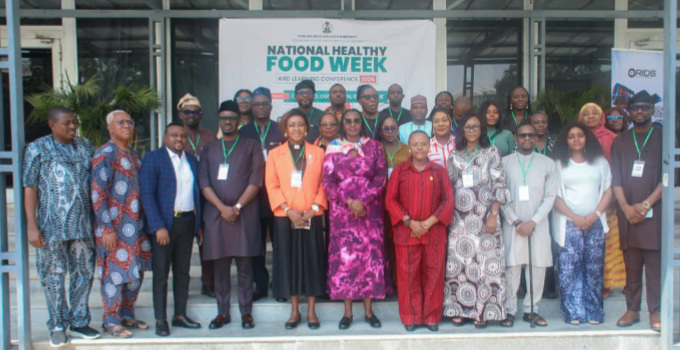
The Minister of State for Health and Social Welfare, Dr Iziaq Adekunle Salako, made the call on Monday at the maiden National Healthy Food Week and Learning Conference 2026 in Abuja, themed ‘Our Food, Our Health, Our Future’.
Represented by the Permanent Secretary of the Ministry, Daju Kachollom, the minister said Nigeria must move beyond developing policies to ensuring their effective implementation across the country.
He noted that food choices and the quality of food available in markets, schools, hospitals, workplaces and homes have far-reaching consequences for public health, child development, workforce productivity and national prosperity.
Salako identified the Revised National Policy on Food Safety and Quality, the National Guidelines for Sodium Reduction, NAFDAC’s Read the Label Campaign and the proposed front-of-pack nutrition labelling as important measures for improving food safety and helping Nigerians make informed dietary decisions.
He also called for effective implementation of the Bureau of Public Procurement’s guidelines on food procurement, noting that government institutions provide millions of meals annually in schools, hospitals, correctional centres, emergency shelters and NYSC camps.
According to him, public food procurement presents a major opportunity for government to promote healthier eating habits on a national scale.
The minister further advocated transparent utilisation of revenue from the sugar-sweetened beverage tax to support nutrition education, healthier food environments and the prevention of diet-related diseases.
On tackling micronutrient deficiencies, he stressed the importance of large-scale food fortification, backed by effective regulation, quality assurance and market surveillance.
He also encouraged Nigerians to consume more locally available nutritious foods, including legumes, fruits, vegetables, nuts, whole grains and traditional nutrient-rich meals.
27% of deaths linked to non-communicable diseases
The urgency of the government’s call was reinforced by the World Health Organisation, which disclosed that non-communicable diseases account for approximately 27 per cent of all deaths in Nigeria.
The WHO Representative, Dr Pavel Ursu, represented by Pindar Wakawa, expressed concern over the growing burden of diet-related illnesses, identifying excessive consumption of salt, sugar and unhealthy fats as major dietary risk factors.
He disclosed that nearly one in three Nigerian adults lives with hypertension, increasing their risk of heart disease, stroke and kidney failure.
Ursu described healthy diets as one of the most effective investments countries can make to prevent diseases, improve productivity, strengthen human capital and accelerate socioeconomic development.
He said the conference offered an important platform for advancing healthy food policies and raising awareness about the relationship between nutrition, public health and sustainable development.
Stakeholders demand action beyond policy statements
Also speaking, the Executive Director of the Network for Health Equity and Development, Dr Jerome Mafeni, warned against treating healthy eating solely as an individual’s responsibility.
He argued that Nigerians cannot make healthy food choices when nutritious options are unavailable, unaffordable or inadequately regulated.
Mafeni urged stakeholders to measure the success of food policies by their impact on what is produced, marketed and made accessible to consumers, rather than the number of policies adopted.
He challenged participants to move beyond discussions and agree on practical commitments, institutional coordination and accountability mechanisms.
Similarly, Resolve to Save Lives, represented by its Interim Country Director, Dr Jenom Danjuma, reaffirmed its commitment to supporting Nigeria’s efforts to strengthen food policies and reduce non-communicable diseases.
The organisation identified excessive sodium, industrially produced trans fats and added sugars, particularly from sugar-sweetened beverages, as significant dietary risk factors.
It said the four-day conference would provide an opportunity to assess progress, share experiences, identify implementation gaps and develop practical strategies for accelerating action.
The speakers commended the Federal Ministry of Health and Social Welfare for convening stakeholders, stressing that meaningful progress would require sustained collaboration among government institutions, development partners, civil society, the private sector and the media.
Declaring the conference open, Salako urged stakeholders to make the National Healthy Food Week an enduring platform for accountability, innovation and stronger partnerships.
For a country battling rising cases of hypertension, diabetes and other diet-related illnesses, the message from the conference was clear: developing healthy food policies is important, but ensuring that Nigerians can access and afford nutritious food is the real test of success.
Join Our WhatsApp Community