Lagos Borehole Crackdown: Groups Threaten Mass Resistance
Residents of Lagos who depend on private boreholes for their daily water supply may face uncertainty following warnings by the state water regulator against unauthorised groundwater extraction.
But a coalition of civil society organisations, community groups and trade unions has vowed to resist any attempt to seal domestic boreholes, warning that such enforcement could trigger coordinated mass protests across all local government areas of the state.
The coalition, under the Our Water Our Right Africa Coalition (OWORAC), said it would mobilise residents if the Lagos State Water Regulatory Commission (LASWARCO) deployed task forces to shut down boreholes in residential homes.
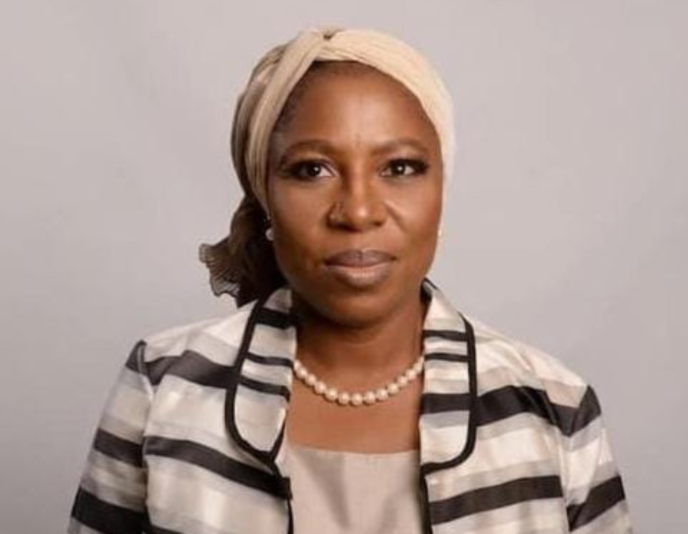
The warning follows a statement attributed to LASWARCO Executive Secretary, Oluwabukola Adeyemo, cautioning that drilling boreholes and extracting groundwater without state authorisation could attract property sealing and criminal prosecution.
However, the coalition insists that the Lagos State Environmental Management and Protection Law 2017 expressly exempts domestic boreholes from licensing requirements.
It cited Section 253(1), which permits residents to construct and use wells or boreholes in residential premises for household water needs without obtaining a licence.
The groups also referenced Section 259(2), arguing that licensing requirements apply to boreholes used for commercial and industrial purposes rather than domestic consumption.
They accused LASWARCO of creating unnecessary panic by failing to clarify these exemptions in its public warnings.
The coalition further questioned the proposed enforcement against households, citing what it described as the poor performance of the Lagos public water supply system.
According to figures attributed to the Lagos Water Corporation, the utility has only 34,424 registered connections, representing about 1.03 per cent direct coverage in a city with more than 20 million residents.
It argued that more than 91 per cent of Lagos residents remain without access to the public water network, despite the existence of major waterworks at Iju, Adiyan and Ishasi.
The groups said many households had been forced to invest in private boreholes because of decades of unreliable public water supply.
They also highlighted water contamination in communities such as Baruwa, Iludun and Ajegunle, as well as sewage pollution and saltwater intrusion in parts of Lekki, saying these conditions had further worsened access to safe water.
The coalition accused the state government of applying double standards by threatening ordinary residents while allegedly taking a more accommodating approach towards large industrial water users.
It recalled that LASWARCO had engaged multinational companies, including Nigerian Bottling Company, Guinness Nigeria and FrieslandCampina WAMCO, in regulatory discussions in 2024.
The groups argued that industrial water extraction deserved stronger scrutiny because of its potential impact on communal groundwater resources.
They also expressed concern that the proposed crackdown could force residents into privately operated prepaid water schemes.
OWORAC called on the state government to clarify that domestic boreholes are exempt from licensing under the 2017 law and guarantee that homeowners will not face harassment, prosecution or property sealing for meeting their household water needs.
It urged the government to rehabilitate existing waterworks, expand access to safe public water and direct regulatory enforcement towards high-volume commercial extractors and industrial polluters.
The coalition also called for reforms in the management of the Lagos Water Corporation, including greater participation by workers, communities, trade unions and civil society organisations.
It urged Community Development Associations, youth groups, labour unions, market women and other neighbourhood networks to remain organised and defend their access to water.
The groups warned that any attempt by LASWARCO or armed task forces to enter residential communities and seal domestic boreholes would be met with legal action and coordinated mass resistance across Lagos.
The statement was signed by representatives of more than 20 organisations and community groups, including the Committee for the Defence of Human Rights, Corporate Accountability and Public Participation Africa, the Rule of Law and Accountability Advocacy Centre, and the Federation of Informal Workers Organisation of Nigeria.
Join Our WhatsApp Community