Subsidy Removal: Nigerians Cannot Be Asked To Pay For Policy Failures
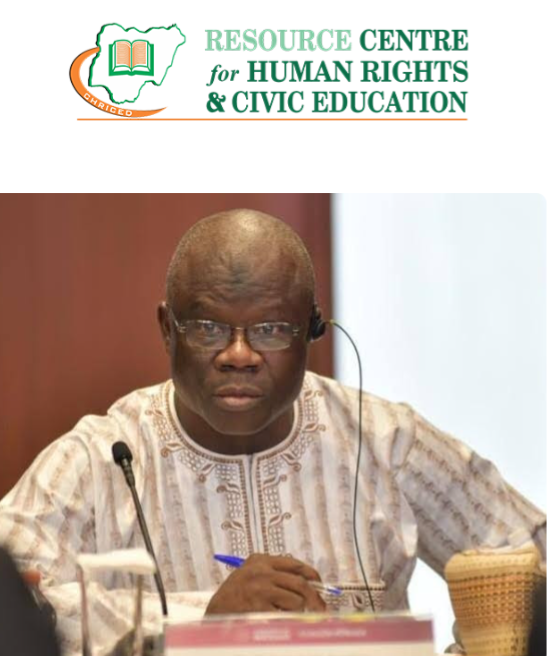
By Comrade Ibrahim M. Zikirullahi
The Executive Director, Resource Centre For Human Rights & Civic Education (CHRICED) Comrade Ibrahim M. Zikirullahi, in this rejoinder to Ben Murray-Bruce’s “Mass Transit Policy” say Nigerians cannot pay for policy failures and asked series of pertinent questions.
There is a simple test for any economic reform: does it make life more bearable for ordinary citizens? By that measure, Nigeria’s fuel subsidy removal has failed millions whose incomes have not kept pace with the cost of transport, food and basic necessities.
Ben Murray-Bruce argues that subsidy removal was necessary and that state governments should use increased federal allocations to make transport more affordable. He is right that governors have a responsibility to act.
But that argument cannot absolve the Federal Government of responsibility for a policy that triggered a sharp rise in the cost of living.
Murray-Bruce speaks of four decades of subsidy allegedly enriching a few billionaires. Yet Nigerians are entitled to ask: what has changed for them since the subsidy was removed?
Have smuggling and corruption disappeared? Has cheaper transport returned? Have jobs increased? Has household purchasing power improved?
For millions, the answer is no.
The removal was announced without adequate consultation or a clearly established safety net.
The consequences have been severe. Murray-Bruce himself cites the rise in average bus fares from ₦644 to ₦1,431.
Behind those figures are workers spending a large share of their income commuting, children missing school because their families cannot afford transport, and households forced to choose between food, medicine and mobility.
That is why the debate cannot be reduced to whether transport is constitutionally a state responsibility.
You cannot create an economic shock at the federal level and then leave citizens to negotiate its consequences with their governors.
The Federal Government must also account for the savings from subsidy removal.
Nigerians deserve clear answers on what those resources have delivered in security, jobs, infrastructure, electricity and social protection.
Instead, citizens continue to confront insecurity, unemployment, rising food prices and multiple taxes and levies.
Banditry, kidnapping, armed robbery and other forms of insecurity have made farms, markets, roads and communities increasingly difficult to navigate safely.
Murray-Bruce calls for “common sense”. But common sense in economic policymaking should include consultation, careful sequencing, credible relief measures and accountability.
Nigerians are not asking for miracles. They are asking to survive.
Governors must do their part, but the Federal Government must accept its share of responsibility.
Reform cannot be judged by the courage required to announce it; it must be judged by its impact on the people expected to bear its cost.
The suffering caused by subsidy removal cannot be wished away by elite arguments. Nigeria needs policies that reduce the burden on citizens, transparent use of public resources and leadership willing to confront the realities of everyday life.
Nigerians deserve relief, accountability and a government that listens.
Join Our WhatsApp Community