Lives At Risk: CDS, VON DG Demand Responsible Reporting On Security Operations
Princess-Ekwi Ajide
When a fake video of a military operation goes viral, or an old photograph is presented as a fresh attack, the damage goes beyond misleading headlines.
It can trigger panic, deepen public distrust, expose troops to danger and give terrorists a propaganda advantage.
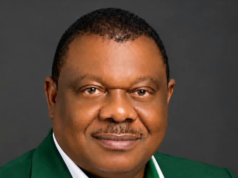
This growing threat has prompted the military and government to seek a stronger partnership with the media, with the Chief of Defence Staff (CDS), General Olufemi Oluyede, warning that the battle for Nigeria’s security is increasingly being fought in the information space.
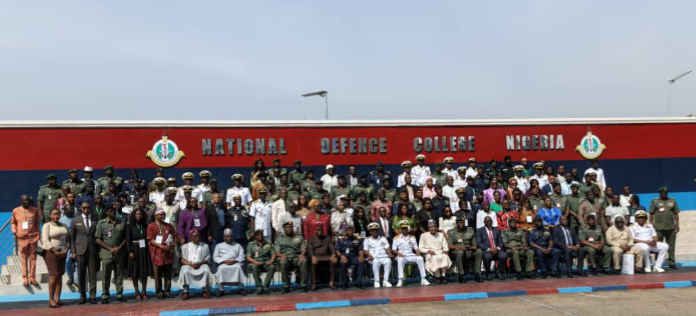
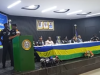
Oluyede spoke at the 2026 Defence Headquarters Strategic Communication Workshop, where he called on journalists, editors, online publishers and security agencies to strengthen cooperation against misinformation, disinformation and hostile propaganda.
He described the information domain as a critical theatre of modern warfare, stressing that military success is no longer determined solely by combat strength but also by the ability to communicate effectively, shape public perception and sustain public confidence.
The CDS identified artificial intelligence-generated images, videos, audio recordings and fabricated scenarios as emerging threats, warning that manipulated content could easily be mistaken for genuine security incidents.
He urged media organisations to verify information before publication rather than sacrifice accuracy for speed and sensationalism.
He also called on security agencies to build the capacity to identify and counter synthetic content.
However, Oluyede emphasised that responsible reporting must go hand in hand with operational security, warning that careless disclosure of troop movements, locations, capabilities and other sensitive information could endanger military personnel and compromise ongoing operations.
Describing journalists as important national security partners, he was quick to clarify that the partnership should not prevent the media from questioning security agencies or holding them accountable.
Rather, he advocated mutual respect, professionalism, sustained engagement and specialised training for defence correspondents.
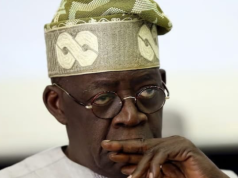
In a similar vein, the Director-General of Voice of Nigeria (VON), Mallam Jibrin Baba Ndace, who represented the Minister of Information and National Orientation, Mohammed Idris, called for a relationship between the military and the media built on trust, accurate communication and a clear understanding of each other’s responsibilities.
Ndace stressed that responsible security reporting should not be mistaken for censorship, insisting that Nigerians have a right to information, even as the safety of citizens and the protection of legitimate security operations must be considered.
He drew attention to the often-overlooked responsibility of editors and newsroom gatekeepers, noting that the duty to ensure accurate reporting does not rest with reporters alone.
According to him, editors in radio, television, newspapers and online platforms must understand the context and implications of security-related reports before approving them for publication or broadcast.
The VON DG also called for improved media and information literacy across the security architecture, arguing that understanding the media should not be limited to spokespersons but should extend to strategic, operational and tactical commanders.
He cited the April 2026 launch of the International Media and Information Literacy Institute, a UNESCO Category 2 institution based in Abuja, as an important step towards strengthening research, capacity building and international cooperation against misinformation.
Ndace urged the workshop to produce practical outcomes, including regular security briefings, functional communication channels, prompt correction of inaccurate reports and greater understanding of the operational realities facing journalists and security personnel.
He noted that the tension between the military’s need to protect sensitive information and the media’s responsibility to seek answers was not peculiar to Nigeria, but a challenge faced by countries across the world.
Both speakers agreed, in essence, that the military and the media must find a workable balance between national security and the public’s right to know.
For Nigerians caught between the threats of terrorism, banditry and other security challenges, that balance matters.
Accurate information can help communities make informed decisions, while credible communication can strengthen public confidence in the institutions responsible for protecting them.
The message from the workshop was clear: the fight against insecurity requires more than weapons and intelligence.
It also requires truthful information, responsible journalism and a military-media relationship strong enough to withstand the growing threat of information warfare.
Join Our WhatsApp Community