Beyond Diplomacy: How China’s Expanding Media, Economic Ties Could Reshape Africa’s Future
Princess-Ekwi Ajide
As global powers compete for influence across Africa, China is increasingly positioning itself not just as an economic partner, but as a strategic ally seeking to deepen political, cultural and media relations with the continent.
In Nigeria, Africa’s most populous nation and largest economy, that relationship is gaining renewed momentum through trade, infrastructure, people-to-people exchanges and now, media collaboration.
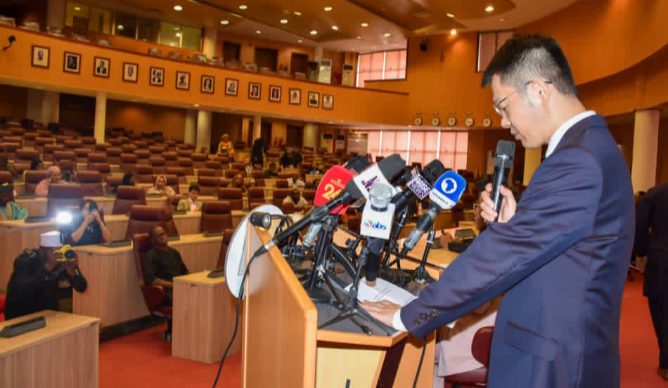
At DICAN’s second conference in Abuja focused on strengthening China-Nigeria relations, China’s Minister Counsellor, Zhou Hongyou, described the media as a critical force in shaping mutual understanding between both nations and sustaining what Beijing calls a “comprehensive strategic partnership.” 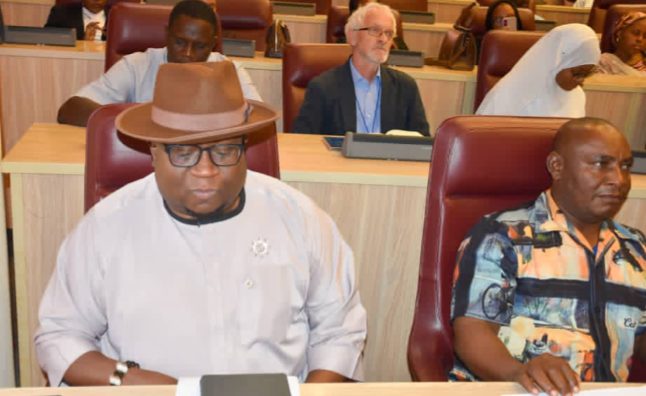
The engagement comes at a significant period in China-Africa relations as the year 2026 marks the 55th anniversary of diplomatic ties between China and Nigeria, alongside the declaration of the China-Africa Year of People-to-People Exchanges.
According to Zhou, the milestone reflects decades of cooperation built on trade, infrastructure development, education, culture and security partnerships.
Over the years, China has emerged as one of Africa’s biggest trading partners and infrastructure financiers. From rail projects and airport terminals to telecommunications and energy investments, Beijing’s footprint across the continent continues to expand.
Nigeria, in particular, has benefited from Chinese-backed projects including rail modernisation, road construction and industrial investments.
Still speaking at the event, Zhou said China and Nigeria have consistently supported one another on issues of “core interests and major concerns,” describing both countries as “true friends” and “important development partners.”
One of the most significant announcements highlighted during the conference was China’s decision to grant zero-tariff treatment to exports from 53 African countries with diplomatic ties to Beijing, including Nigeria.
The policy, which took effect from May 1, is expected to open wider access for African products into the Chinese market. 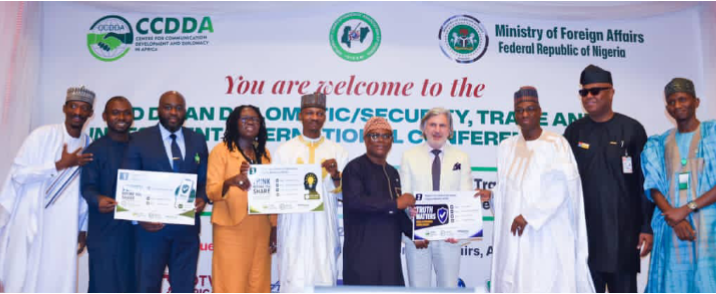
Analysts believe the development could create fresh opportunities for Nigeria’s non-oil exports, particularly in agriculture, solid minerals and manufactured goods, at a time when African economies are seeking to diversify revenue sources and reduce overdependence on Western markets.
Beyond economics, China is also investing heavily in soft power diplomacy.
The Chinese Cultural Centre in Nigeria regularly hosts educational and cultural activities, while exchange programmes continue to expose Nigerian students, journalists and professionals to Chinese institutions and governance systems.
A major focus of the Abuja conference was media cooperation.
According to Zhou, the Chinese Embassy recently sponsored representatives from nearly 20 Nigerian media organisations on training and study visits to China.
The programme exposed participants to topics such as poverty alleviation, the Belt and Road Initiative, Chinese modernisation and digital journalism practices.
They also engaged with major Chinese media organisations including Xinhua News Agency and CGTN.
China says the initiative is aimed at improving technological partnerships, boosting journalism capacity and strengthening communication between both countries under the framework of the Forum on China-Africa Cooperation (FOCAC). 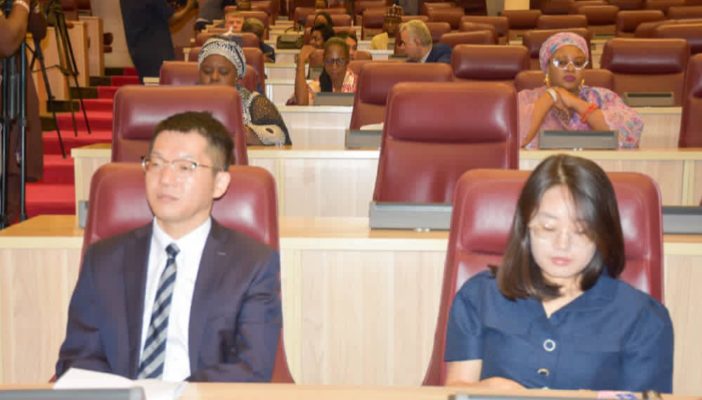
However, observers say China’s growing media engagement in Africa also raises broader geopolitical questions.
Critics argue that Beijing’s increasing influence within African media spaces could shape narratives around governance, democracy, human rights and global diplomacy.
Others, however, see the relationship as a strategic counterbalance to decades of Western dominance in international communication and economic relations.
At the centre of China’s diplomatic messaging remains the Taiwan question, which Zhou described as fundamental to China’s sovereignty and territorial integrity.
He commended Nigerian media organisations for adhering to the One-China principle and accurately reporting China’s position on Taiwan.
The Chinese envoy also referenced the joint statement issued during President Bola Ahmed Tinubu’s state visit to China in September 2024, where Nigeria reaffirmed its commitment to the One-China policy and opposition to Taiwan independence. 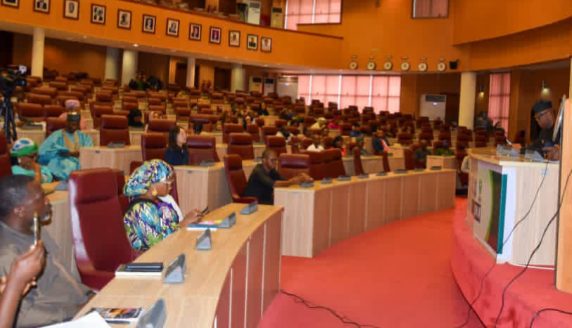
For many African nations, China’s model of engagement presents both opportunities and challenges.
On one hand, Beijing offers infrastructure financing, trade access and development support with fewer political conditions than many Western partners.
On the other hand, concerns persist over debt sustainability, economic dependence and the long-term strategic implications of China’s growing influence across critical sectors.
Still, China’s approach appears increasingly focused on winning hearts and minds alongside securing economic partnerships.
By prioritising media collaboration, cultural diplomacy and journalist training, Beijing is seeking to shape how Africa understands China’s rise and its role in global affairs.
The strategy underscores the growing recognition that influence in the modern era extends beyond roads, bridges and trade deals into information, storytelling and public perception.
As Africa navigates an increasingly multipolar world, partnerships such as the one between China and Nigeria are likely to play a defining role in shaping the continent’s economic direction, diplomatic alignments and media landscape in the years ahead.
Whether the relationship evolves into a transformative alliance or sparks new debates about influence and sovereignty will depend largely on how African nations negotiate their interests, strengthen institutional transparency and ensure mutually beneficial cooperation.
For now, the message from Beijing is clear: China wants to be seen not merely as an investor in Africa, but as a long-term partner in its future development story.
Follow the Savinews Africa channel on WhatsApp:whatsapp.com