Critical Illness Should Not Bankrupt Families, FG Pushes New Financing Model For Intensive Care
For many Nigerian families, a medical emergency is not only a fight for survival but also a potential journey into financial hardship — a challenge the Federal Government says it is determined to tackle through sustainable financing for critical care services.
Minister of State for Health and Social Welfare, Dr Iziaq Adekunle Salako, said the government is expanding health insurance coverage, strengthening emergency services and seeking greater private-sector investment to ensure more Nigerians can access life-saving care without catastrophic out-of-pocket expenses.
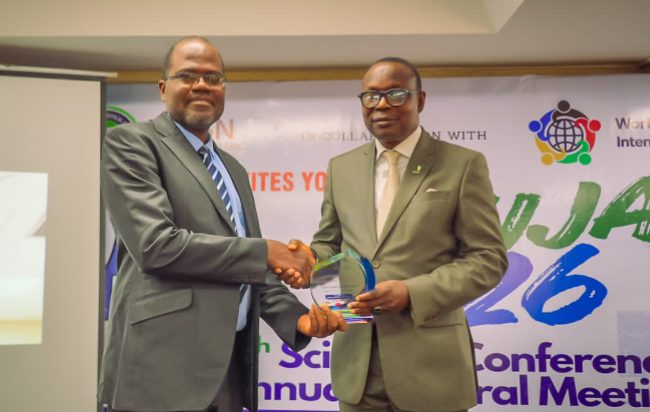
Speaking at the 11th Annual Scientific Conference of the Intensive and Critical Care Society of Nigeria (I-CCSN) in Abuja on Wednesday, Salako disclosed that the National Emergency Medical Service and Ambulance System (NEMSAS) has expanded from its pilot phase in the Federal Capital Territory to 34 states.
He said building an effective critical care system would require significant investment in intensive care units, medical oxygen, modern equipment, skilled health professionals, reliable power supply and stronger referral networks.
The minister also called for greater public-private collaboration, stressing that government alone cannot meet Nigeria’s critical healthcare needs.
Experts at the conference advocated innovative financing options, including insurance integration, public-private partnerships and diaspora investment, to reduce the financial burden of intensive care on patients and their families.
Salako challenged stakeholders to develop practical recommendations that could improve financing, workforce capacity, equipment maintenance and access to quality critical care nationwide.
Follow the Savinews Africa channel on WhatsApp:”https://whatsapp.com/channel/0029VawgaEL5vKA9Y5XTFg0n”
Join Our WhatsApp Community