Experts Warn Controversial African Charter Could Reverse Decades Of Gender Equality Gains
Princess-Ekwi Ajide
With just over four years left to achieve the Sustainable Development Goals, campaigners are warning that Africa risks reversing decades of progress on gender equality and the right to health as opposition mounts against a controversial draft charter promoting “family values” and national sovereignty.
Human rights experts, legal practitioners and health advocates have raised alarm over the proposed African Charter on Family, Sovereignty and Values, describing it as a major threat to the rights of women, girls and gender-diverse people across the continent.
The draft charter, endorsed by delegates from 20 African countries during the 4th African Inter-Parliamentary Conference on Family, Sovereignty and Values held in Ghana earlier this month, is expected to be presented to the African Union for consideration in February 2027.
Critics argue that the proposal seeks to redefine family strictly as a union between a man and a woman, prioritises traditional values over individual rights, and calls on African governments to withdraw from international commitments, including the legally binding Maputo Protocol on women’s rights.
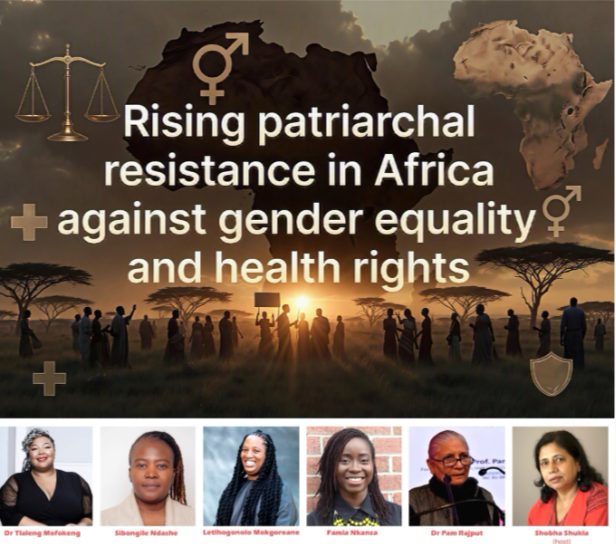
Speaking during a global SHE & Rights session, the United Nations Special Rapporteur on the Right to Health, Dr Tlaleng Mofokeng, described the draft charter as a continent-wide patriarchal attempt to replace established human rights with moralistic viewpoints.
She warned that abandoning the Maputo Protocol would weaken protections for women’s reproductive and health rights while making it harder for victims of violence, coercion and discrimination to seek justice.
Legal experts also criticised the draft, saying it reframes universal human rights as foreign ideologies while expanding state authority over health, education, sexuality and family life.
Executive Director of the Initiative for Strategic Litigation in Africa (ISLA), Sibongile Ndashe, said the charter risks placing family cohesion above the rights and safety of women and children, especially in situations involving abuse or unequal power relations.
Communications Lead at Purposeful, Famia Nkansa, argued that the proposal sidelines women as independent rights holders by placing decision-making authority in the hands of families and governments rather than individuals.
South African legal practitioner Letlhogonolo Mokgoroane further warned that the draft excludes intersex and gender-diverse people by recognising only male and female genders and rejecting comprehensive sexuality education despite overwhelming public health evidence supporting its benefits.
The experts also questioned the influence of conservative organisations from the United States, alleging they played a significant role in shaping and funding the initiative despite presenting it as an expression of African values.
Former Chairperson of India’s High-Level Committee on the Status of Women, Dr Pam Rajput, cautioned that any rollback of rights in Africa could create dangerous precedents globally, urging international solidarity in defending established human rights protections.
Campaigners are calling on African governments to reject the draft charter and instead reaffirm their commitment to the 2003 Maputo Protocol, which has been ratified by 46 African Union member states and remains one of the continent’s strongest legal instruments protecting women’s rights, reproductive health, dignity and freedom from gender-based violence.
They insist that gender equality and the right to health are fundamental human rights that must not be weakened by political or ideological interests.
Follow the Savinews Africa channel on WhatsApp:https://whatsapp.com/channel/0029VawgaEL5vKA9Y5XTFg0n
Join Our WhatsApp Community